

Table setting rules
Proper table setting is an essential aspect of dining that enhances the overall experience. Understanding the correct way to set a table ensures that guests feel comfortable and the meal progresses smoothly. This guide covers various aspects, including fundamental rules, etiquette, and practical tips.
General principles
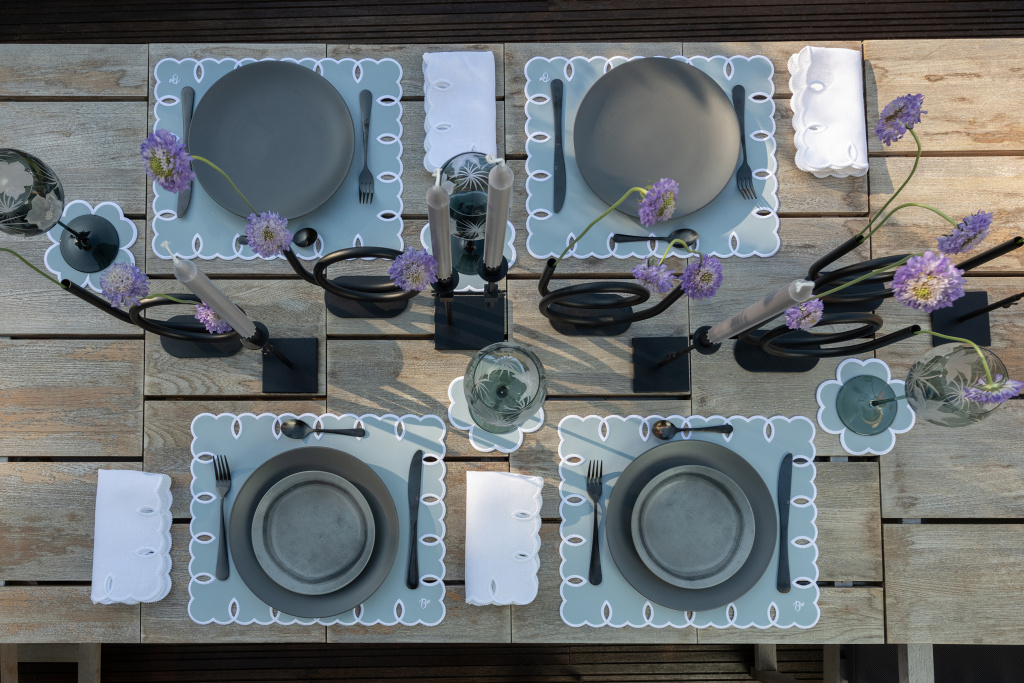
When setting a surface, it's important to follow some general principles to create an inviting and functional dining environment. These general table setting rules form the foundation of any well-set table. Consistency is crucial – use matching tableware and utensils to create a cohesive look. Symmetry ensures that all place settings are evenly spaced. Cleanliness is mandatory – all items on the surface should be spotless and in good condition. Functionality is also key – arrange items in a way that makes it easy for guests to eat and drink comfortably. Creating a harmonious arrangement requires attention to detail and an understanding of the event's formality.
Basic rules
Following the basic rules for table setting helps to ensure that each place setting is both aesthetically pleasing and functional:
- Placement of the tablecloth. A tablecloth should be laid smoothly over the surface, with equal overhang on all sides.
- Dinnerware arrangement. The dinner plate goes in the center of the place setting. Salad plates and soup bowls are placed on top of it if part of the meal.
- Utensil placement. Forks go to the left of the plate, knives and spoons to the right. Utensils are placed in the order of use, from the outside in.
- Glassware positioning. Glasses are placed above the knives, in order of use from right to left.
- Napkin arrangement. The napkin can be placed on the plate, to the left of the forks, or in a napkin ring.
Adhering to these basics ensures a neat and organized surface that enhances the dining experience.
Formal etiquette
It includes additional utensils and glassware for multiple courses. Service plates remain under the appetizer plates and are not removed until the main course is served. Each course has its own utensils, which are removed after each course. A bread and butter plate is placed above the forks, accompanied by a small butter knife. Multiple glasses (wine glasses, water glasses, and champagne flutes) are arranged in a specific order based on the beverages served. Formal settings create an atmosphere of elegance and sophistication, highlighting the importance of the occasion.
Casual etiquette
It involves fewer utensils and a simpler arrangement while still adhering to good manners and table setting etiquette rules. Simplified dinnerware includes only the necessary plates and utensils for the meal. Typically, only a water glass and possibly one wine glass are included. The napkin can be placed in various locations, such as under the forks or on the plate. A casual setting is perfect for everyday meals and informal gatherings, providing comfort without sacrificing style.
For special occasions
Special occasions such as holidays or celebrations may require unique arrangements that incorporate elements of both formal and casual settings:
- Themed decorations. Incorporate holiday or event-specific decorations to enhance the theme.
- Personal touches. Use place cards or personalized napkin rings to make guests feel special.
- Creative centerpieces. Design centerpieces that reflect the occasion, ensuring they are not too tall to obstruct conversation.
Blending creativity with traditional table setting rules ensures that special occasions are memorable and enjoyable for all guests.
Outdoor
Outdoor dining presents unique challenges and opportunities for creativity in arrangement. Whether it's a picnic, a backyard barbecue, or a garden party, the setting should reflect the casual and relaxed atmosphere while still adhering to basic principles. Use durable tableware that can withstand outdoor conditions, such as melamine or heavy-duty plastic. Weighted napkin holders and tablecloth clips can prevent items from blowing away. Incorporate natural elements (flowers, leaves, seashells) to enhance the outdoor theme. Lighting (candles, string lights) can create a cozy and inviting ambiance as the sun sets. An outdoor arrangement balances functionality and style, ensuring guests enjoy their meal in a comfortable and aesthetically pleasing environment.
Children's arrangements
Setting a table for children requires consideration of their safety, comfort, and engagement. Use child-friendly tableware made of materials that won’t easily break, such as plastic or silicone. Bright colors and fun designs can make the meal more appealing. Ensure that utensils are the right size for small hands, and consider using placemats with educational themes or activities to keep children entertained. Safety is paramount, so avoid using sharp utensils and fragile glassware. Napkins can be folded into fun shapes to add an element of playfulness. A thoughtfully set children’s table can make mealtime enjoyable and stress-free for both kids and parents.
Common mistakes
Even with a solid understanding of table setting etiquette, mistakes can happen. Overcrowding the table can make it difficult for guests to dine comfortably. Incorrect utensil placement can confuse guests about the order of use. Mismatched tableware can detract from the overall aesthetic. Ignoring surface etiquette by not following established table setting etiquette rules can disrupt the dining experience. By being mindful of these potential pitfalls, you can set a table that is both beautiful and functional.
Understanding and applying these principles enhances the dining experience, making any meal feel special and well-organized. Whether for a formal dinner, casual meal, or special occasion, proper arrangement reflects attention to detail and respect for guests.
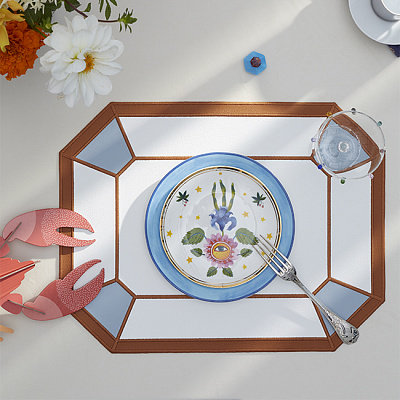
Creating a dining experience that transports guests to the serene ambiance of the sea involves metic...
More details
The art of arranging a dining space has evolved over centuries, reflecting cultural, historical, and...
More details
Find inspiration for your special day with our captivating photos of wedding table decorations, offe...
More details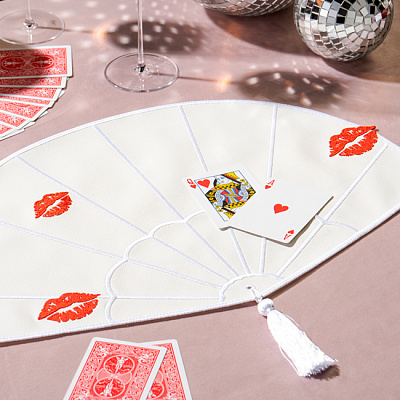
Immerse yourself in the world of modern dining with our captivating photos of contemporary dishes, s...
More details
Discover the elegance and charm of table services with our curated collection of photos, featuring e...
More details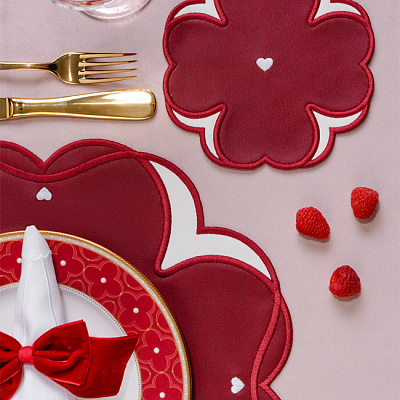
Embrace the festive spirit with our enchanting photos of Christmas tables, showcasing enchanting dec...
More details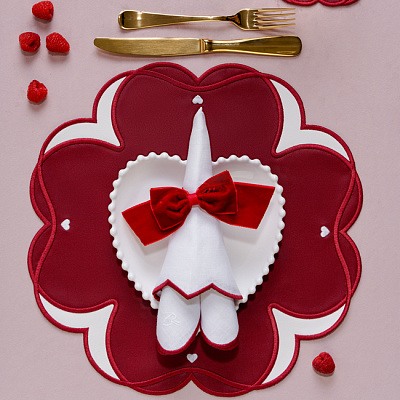
Elevate your dining experience with our captivating photos of gold cutlery, adding a touch of gla...
More details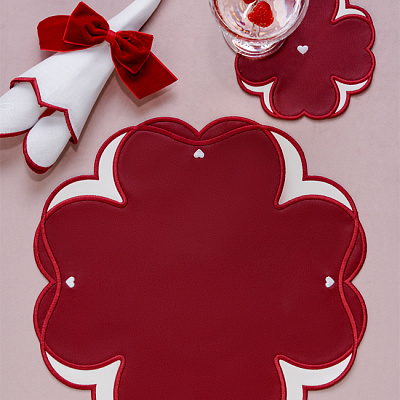
Treat yourself to a touch of luxury with our photos of opulent table settings, showcasing exquisite ...
More details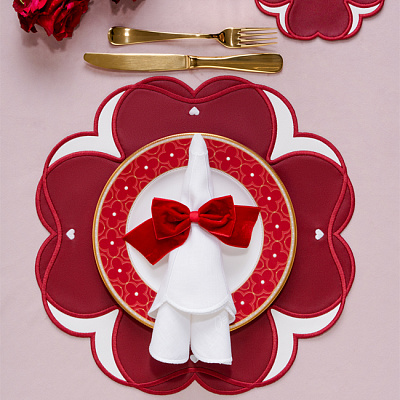
Immerse yourself in the art of table setting with our photos featuring beautifully arranged dishes, ...
More details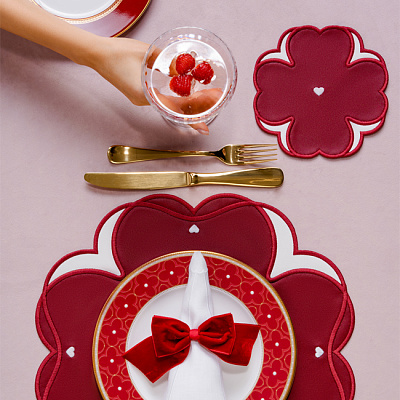
Discover charming and whimsical photos of children's dishes, featuring colorful and playful designs ...
More details
© 2026 Truffle Bee Official Online Boutique